Welcoming a pet into your family is an exciting experience, and involving your children in pet care can be a wonderful way to teach them responsibility, empathy, and compassion. Feeding and grooming are essential aspects of pet care, and teaching your child how to perform these tasks safely is a crucial step in fostering a positive relationship between them and your furry friend.
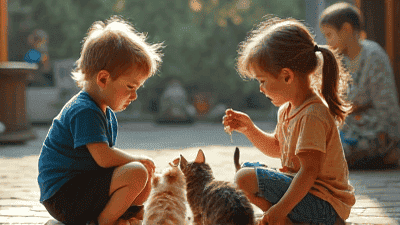
Welcoming a pet into your family is an exciting experience, and involving your children in pet care can be a wonderful way to teach them responsibility, empathy, and compassion. Feeding and grooming are essential aspects of pet care, and teaching your child how to perform these tasks safely is a crucial step in fostering a positive relationship between them and your furry friend.
Why It’s Important to Teach Safe Feeding and Grooming
Feeding and grooming are fundamental responsibilities of pet ownership, and involving your child in these tasks can have numerous benefits. It teaches them accountability, helps them develop a deeper bond with their pet, and instills a sense of purpose. However, it’s essential to ensure that these activities are done safely to prevent accidents, stress, or discomfort for both your child and pet.
Benefits of Involving Your Child in Feeding and Grooming
- Teaches Responsibility: Feeding and grooming your pet helps children understand the importance of caring for another living being.
- Fosters Empathy: By taking part in pet care, children learn to recognize their pet’s needs and emotions, fostering empathy and compassion.
- Strengthens the Bond: Spending time feeding and grooming their pet helps children form a deeper connection with their furry friend.
- Builds Confidence: Successfully completing pet care tasks gives children a sense of accomplishment and boosts their confidence.
- Encourages Routine: Regular feeding and grooming routines teach children the value of consistency and structure.
Step-by-Step Guide to Teaching Your Child to Feed Your Pet Safely
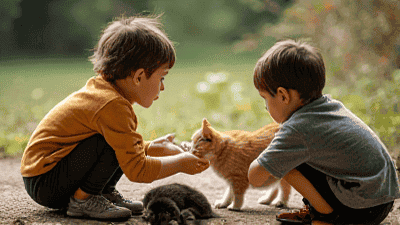
Feeding is one of the most basic yet important aspects of pet care. Here’s a step-by-step guide to teaching your child how to feed your pet safely:
Step 1: Explain the Importance of a Balanced Diet
Start by explaining to your child why a balanced diet is essential for your pet’s health. Discuss the specific nutritional needs of your pet, such as the type of food they require, portion sizes, and feeding schedules.
Tips for Teaching Nutrition
- Use Visual Aids: Show your child pictures or charts that illustrate the components of a balanced diet for your pet.
- Involve Them in Research: Research your pet’s dietary needs together and let your child help choose the right food.
Step 2: Demonstrate the Feeding Process
Before letting your child take over, demonstrate the feeding process yourself. Show them how to measure the correct portion, pour the food into the bowl, and place it in the appropriate spot.
Tips for Demonstrating
- Be Patient: Take your time to explain each step clearly and answer any questions your child may have.
- Emphasize Cleanliness: Teach your child to wash their hands before and after handling pet food to maintain hygiene.
Step 3: Supervise Their First Attempts
When your child is ready to try feeding the pet themselves, supervise their first few attempts to ensure they’re doing it correctly. Offer guidance and encouragement as needed.
Tips for Supervision
- Stay Close: Monitor the interaction between your child and pet to ensure safety and prevent overfeeding.
- Provide Gentle Corrections: If your child makes a mistake, correct them gently and explain the proper method.
Step 4: Establish a Feeding Routine
Help your child establish a consistent feeding routine by assigning them specific feeding tasks at set times each day. Use a chart or checklist to track their progress and keep them motivated.
Tips for Creating a Routine
- Set Clear Expectations: Clearly outline your child’s responsibilities, such as measuring the food, filling the bowl, and cleaning up afterward.
- Offer Positive Reinforcement: Praise your child for their efforts and reward them with stickers or small treats for consistent performance.
Step 5: Teach About Food Safety
Educate your child about the importance of food safety, such as not feeding the pet table scraps, avoiding toxic foods, and storing pet food properly.
Tips for Teaching Food Safety
- Create a List of Safe Foods: Make a list of foods that are safe and unsafe for your pet, and review it with your child regularly.
- Discuss Storage Practices: Teach your child how to store pet food in a secure, airtight container to keep it fresh and prevent contamination.
Step-by-Step Guide to Teaching Your Child to Groom Your Pet Safely
Grooming is another essential aspect of pet care that requires patience, gentleness, and attention to detail. Here’s how to teach your child to groom your pet safely:
Step 1: Explain the Importance of Grooming
Start by explaining why grooming is important for your pet’s health and well-being. Discuss the specific grooming needs of your pet, such as brushing, bathing, and nail trimming.
Tips for Teaching Grooming Basics
- Show Grooming Tools: Introduce your child to the grooming tools, such as brushes, combs, and shampoos, and explain their uses.
- Demonstrate Proper Techniques: Show your child how to brush or bathe the pet gently and effectively.
Step 2: Start with Simple Tasks
Begin with simple grooming tasks, such as brushing or wiping down your pet, before moving on to more complex activities like bathing or nail trimming.
Tips for Starting Simple
- Choose the Right Time: Pick a time when your pet is calm and relaxed to introduce grooming activities.
- Use Positive Reinforcement: Reward your pet with treats and praise for remaining calm and cooperative during grooming.
Step 3: Supervise Their First Grooming Attempts
Supervise your child’s first grooming attempts to ensure they’re handling the pet gently and using the tools correctly. Offer guidance and encouragement as needed.
Tips for Supervision
- Stay Calm and Supportive: Offer gentle corrections and encouragement to help your child build confidence.
- Monitor the Pet’s Behavior: Watch for signs of stress or discomfort in your pet, such as growling or trying to escape, and intervene if necessary.
Step 4: Teach Proper Handling Techniques
Teach your child how to handle the pet gently and respectfully during grooming. Emphasize the importance of being patient and avoiding sudden movements.
Tips for Teaching Handling
- Use Gentle Touch: Show your child how to touch the pet gently and avoid pulling on their fur or ears.
- Teach Body Language: Help your child recognize signs of stress or discomfort in the pet, such as flattened ears or a tucked tail.
Step 5: Establish a Grooming Routine
Help your child establish a consistent grooming routine by assigning them specific tasks at regular intervals. Use a chart or checklist to track their progress and keep them motivated.
Tips for Creating a Routine
- Set Clear Expectations: Clearly outline your child’s responsibilities, such as brushing the pet once a week or wiping down their paws after outdoor play.
- Encourage Consistency: Praise your child for maintaining the grooming routine and reward them for their efforts.
Tips for Teaching Safe Pet Care to Children of Different Ages
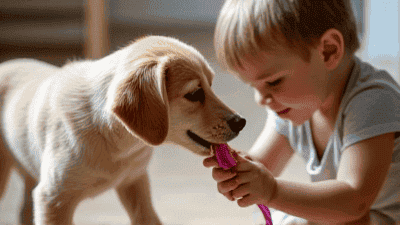
The approach to teaching safe feeding and grooming will vary depending on your child’s age and developmental stage. Here are some age-appropriate tips:
Toddlers (2-4 Years)
- Keep Tasks Simple: Focus on simple tasks, such as helping to fill the food bowl or gently brushing the pet’s fur.
- Supervise Closely: Always supervise toddlers during pet care activities to ensure safety.
Preschoolers (4-6 Years)
- Introduce Basic Tasks: Teach preschoolers to measure food or assist with brushing under close supervision.
- Teach Gentle Behavior: Emphasize the importance of being gentle and respectful with the pet.
Elementary School Kids (6-10 Years)
- Assign Regular Responsibilities: Allow school-age children to take on regular feeding and grooming tasks with supervision.
- Encourage Independence: Gradually encourage them to complete tasks independently while still monitoring their progress.
Tweens (10-12 Years)
- Introduce Advanced Tasks: Teach tweens more advanced grooming tasks, such as bathing or trimming nails with proper guidance.
- Discuss Pet Health: Educate tweens about the importance of grooming for their pet’s overall health and hygiene.
Teens (13+ Years)
- Full Responsibility: Teens can take full responsibility for feeding and grooming the pet while still following safety guidelines.
- Plan for Long-Term Care: Discuss long-term pet care responsibilities, such as maintaining a grooming schedule and selecting the right pet food.
Addressing Challenges in Teaching Safe Feeding and Grooming
While teaching your child to feed and groom your pet can be rewarding, it’s not without its challenges. Here are some common obstacles and tips for overcoming them:
Lack of Interest or Motivation
- Make It Fun: Turn feeding and grooming into a fun activity by using games, songs, or rewards.
- Be Patient: Encourage your child to take small steps and praise their efforts to keep them motivated.
Fear or Nervousness
- Model Confidence: Show your child how to approach feeding and grooming with calmness and confidence.
- Gradual Exposure: Gradually expose your child to the tasks, starting with simple activities and building up to more complex ones.
Pet Resistance
- Keep the Pet Calm: Use treats and positive reinforcement to keep the pet calm and cooperative during grooming.
- Choose the Right Time: Schedule grooming sessions when your pet is relaxed and in a good mood.
Conclusion
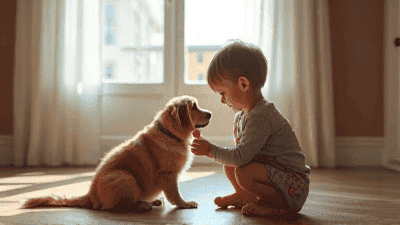
Teaching your child to feed and groom your pet safely is a valuable opportunity to instill responsibility, empathy, and compassion. By following this step-by-step guide, you can ensure that both your child and pet feel comfortable and confident during the process. Start with simple tasks, provide clear guidance, and encourage consistency to help your child develop the skills and confidence they need to care for their furry friend. With patience and practice, your child will become a capable and responsible pet owner, and your pet will thrive in a loving and well-cared-for environment.